All Categories
Featured
The production sector in Dubai contributes substantially to the emirate's financial diversity technique, moving far from oil dependency toward a knowledge-based economy. Based on our experience working with many manufacturing companies, Dubai provides exceptional benefits for commercial operations in the area. Production contributes around 12% to Dubai's GDP Over 4,000 manufacturing companies run across different complimentary zones The food and beverage sector alone is predicted to reach USD 23.2 billion by 2025 Dubai Industrial City hosts more than 500 production companies JAFZA (Jebel Ali Free Zone) accommodates over 10,700 organizations from 100+ countries The food and drink sector represents the fastest-growing segment within Dubai's production industry.

Dubai's vehicle manufacturing sector has actually experienced substantial development, particularly in: Car assembly and parts producing Marine equipment production Air travel components producing Electric lorry facilities advancement Specialized zones like Dubai Car Zone supply dedicated centers for vehicle producers. The electronics sector benefits from Dubai's position as an innovation center, with production activities consisting of: Consumer electronics assembly Telecom equipment production Solar panel and renewable resource parts Smart city innovation manufacturing Dubai's fabric production industry serves both local and worldwide markets, focusing on: Top quality material production Style and clothing manufacturing Technical fabrics for commercial applications Sustainable and environmentally friendly fabric production The pharmaceutical production sector has actually acquired significant momentum, driven by: Growing local health care demands Federal government assistance for local pharmaceutical production Advanced quality control and regulative compliance Export chances to neighboring markets JAFZA remains the premier destination for manufacturing companies, offering: 100% foreign ownership Absolutely no business and individual earnings taxes Complete repatriation of capital and earnings Access to over 3.5 billion customers within a 4-hour flight radius First-rate port and logistics facilities Based on our experience, JAFZA provides the most comprehensive infrastructure for massive manufacturing operations.
Emerging Future Trends Shaping the 2026 Regional Market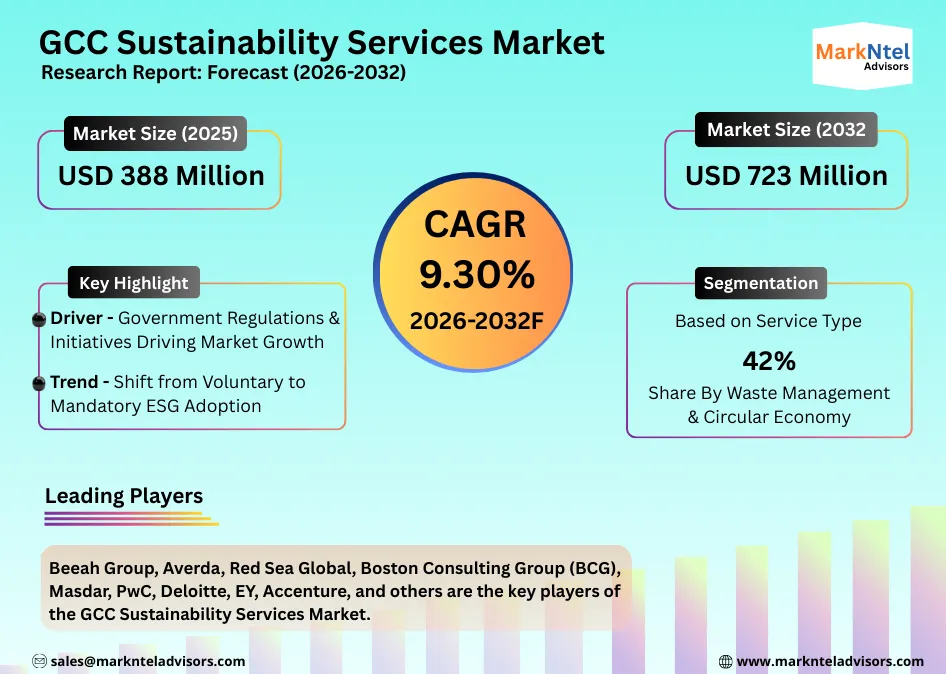
Secret regulative aspects consist of: Streamlined licensing treatments International quality and safety requirements compliance Environmental management policies Intellectual residential or commercial property defense Companies requiring support with regulatory compliance can take advantage of expert service setup services including licensing and tax registration support. Dubai's tactical place provides makers with access to: GCC markets with over 50 million customers Middle East and North Africa (MENA) region South Asian markets consisting of India and Pakistan African markets through established trade routes World-class port centers at Jebel Ali Port Advanced cargo handling and logistics services Efficient customs treatments and trade facilitation Free trade arrangements with numerous nations Dubai actively promotes Industry 4.0 technologies and smart manufacturing: Execution of IoT and wise sensing units Advanced data analytics and expert system Automated production systems Blockchain technology for supply chain transparency Dubai supports making development through: Federal government funding for technology advancement Partnerships with worldwide research study organizations Development laboratories and incubation centers Tax incentives for R&D activities Dubai's first-rate logistics infrastructure consists of: Jebel Ali Port among the world's largest container ports Al Maktoum International Airport created for enormous freight capacity Advanced warehousing and distribution centers Integrated multimodal transportation networks Production companies take advantage of: Integrated supply chain options Specialized cargo dealing with centers Temperature-controlled storage for delicate products Real-time tracking and stock management systems Dubai's commitment to sustainability produces opportunities for: Renewable resource integration in manufacturing procedures Waste reduction and circular economy practices Water preservation and recycling systems Carbon footprint reduction programs Strict ecological standards and keeping an eye on Green building certifications for manufacturing centers Sustainable product packaging and products requirements Environmental effect evaluation treatments Dubai draws in global talent through: Competitive employment packages Multicultural work environment Professional development chances Quality of life advantages Technical and occupation training programs Partnerships with worldwide academic organizations Constant expert advancement initiatives Industry-specific accreditation programs Dubai's robust banking sector supports producing companies with: International and local banking alternatives Trade financing and letters of credit Devices financing and working capital loans Foreign exchange services Expert help with checking account opening guarantees smooth monetary operations for producing organizations. Increasing competition from regional manufacturing centers Required for continuous development and effectiveness improvements Cost pressures from low-priced manufacturing nations Quality and compliance requirements Competent labor schedule and retention Increasing functional costs Supply chain interruptions Regulatory compliance intricacy Based upon existing trends and federal government efforts, Dubai's manufacturing sector is forecasted to: Accomplish 15% annual growth in crucial sectors by 2025 Increase production's GDP contribution to 20% by 2030 Create over 100,000 new tasks in the production sector Attract USD 10 billion in new production investments Advanced manufacturing innovations (3D printing, robotics) Sustainable and green production processes Biotechnology and pharmaceutical production Area technology and satellite manufacturing Dubai's long-lasting vision consists of: Ending up being a worldwide production center for high-tech industries Achieving 100% sustainable energy in manufacturing by 2050 Establishing Dubai as a center for circular economy practices Producing a knowledge-based production environment Dubai provides strategic area, first-rate infrastructure, business-friendly guidelines, tax incentives, and access to global markets.

Latest Posts
How to Utilize Market Intelligence for Growth
How to Deploy Advanced Strategies in 2026
Can the GCC Sustain Industrial Growth during 2026?