All Categories
Featured
Table of Contents
Discover what makes Technique & Middle East distinct and amazing. Our people work carefully with clients on their most difficult challenges and construct long-lasting relationships along the method. Welcome innovation and drive modification with a group that values your unique perspective. Work together with market leaders to develop services that have lasting impact.
Our reach is global, however our home is the Middle East. As the longest-serving management consulting business, we have a proud history in the area developed on a 100-year legacy.
Discover how Strategy & can assist your company modification today and construct your perfect tomorrow. Industry Service Consulting and Provider Company size 501-1,000 workers Headquarters Middle East, - Type Independently Held Founded 1914 Specialties agriculture and food, aviation, building and construction, customer markets, energy, resources and sustainability, monetary services, government and public sector, health markets, media and home entertainment, movement, property, innovation, telecoms, travel and tourism, maritime, aerospace, space and defence, and multisector financial investment.
Remote work has actually moved from novelty to necessity. What began as an emergency action throughout the pandemic is now embedded in how international business recruit, maintain, and safeguard talent. For Middle East-based businesses, especially those running in an environment of heightened geopolitical uncertainty, the capability to decouple work from a repaired location is no longer simply an HR perk; it's a core durability method.
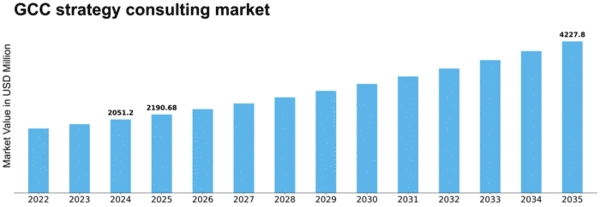
Some Middle Eastern groups have reacted to current disputes by transferring whole groups to Asia, with initial short-term relocations ending up being long-term for some staff members, who now think twice to return and think about moving elsewhere. This brand-new patternrapid group relocations, followed by individual onward movesis testing tax and regulatory structures that were never ever designed for it.
Enterprise Strategy in a Evolving GCC Landscape
Tax treaties, social security coordination guidelines and corporate tax principles such as irreversible facility were developed around that paradigm. Middle Eastern multinational enterprises are now handling something really various: Teams moved at short notice from the Gulf to Asia or Europe "for a number of months"Individuals who then select to remain on or move again, frequently without an official assignmentCore functions such as finance, IT, trading, and threat unexpectedly being carried out outside the region, in some cases without a clear proof.
Existing rules frequently presume cross-border work is deliberate and managed, however that's progressively not the case. The current experience of Middle Eastheadquartered groups highlights the issue in extremely practical terms and exposes the limitations of the present OECD Design Tax Convention framework. In action to the local instability and armed conflict, some organizations moved a large portion of their labor force to "safe harbor" countries in Asia or Europe, often under informal internal guidance rather than official assignment letters.
Incorporating Intelligent Automation Into Gulf Shared Service CentersWith unpredictability on the ground, short-term work arrangements were extended. Some workers chose not to return and explored moving to other centers or companies without clear timelines or tax planning. Business tax and mobility groups should then retroactively examine tax house modifications, possible long-term facility production under local guidelines, earnings sourcing across jurisdictions, and appropriate social security systems.
Core decision making or earnings generating activities carried out from a host nation can support an irreversible facility claim by regional tax authorities, especially where whole functions have been moved. The MTC Commentary, while clarifying when an office or remote working arrangement might constitute a permanent facility, still leaves substantial judgment calls where "short-term" movings become semi irreversible.
Key Advantages of Strategic Excellence in 2026
Employees who prepared quick stays might inadvertently fulfill residency guidelines abroad, risking double residence and complex treaty tiebreaker tests. The MTC Commentary provides assistance, however using "center of crucial interests" during emergency situation relocations remains uncertain. Perks, incentives, and equity made during relocations frequently require allowance throughout nations, with payroll and reporting duties in each.
Regional or cross-border transfers can leave workers between systems when pension and benefits do not match their work pattern. In AsiaPacific and the Middle East, decisions frequently depend on specific situations rather than the formal assistance, with little uniformity.
From a policy point of view, Middle Eastexposed multinationals increasingly must have: Clearer guardrails for remote and moved teamsincluding explicit "low threat" activities that will not, by themselves, produce a taxable existence, and useful examples in the MTC Commentary that reflect emergency movings rather than only planned remote work. More effective residence tie breakers for staff members who invest extended periods in several nations due to security or geopolitical concerns, instead of career-driven moves.

Latest Posts
How to Utilize Market Intelligence for Growth
How to Deploy Advanced Strategies in 2026
Can the GCC Sustain Industrial Growth during 2026?